

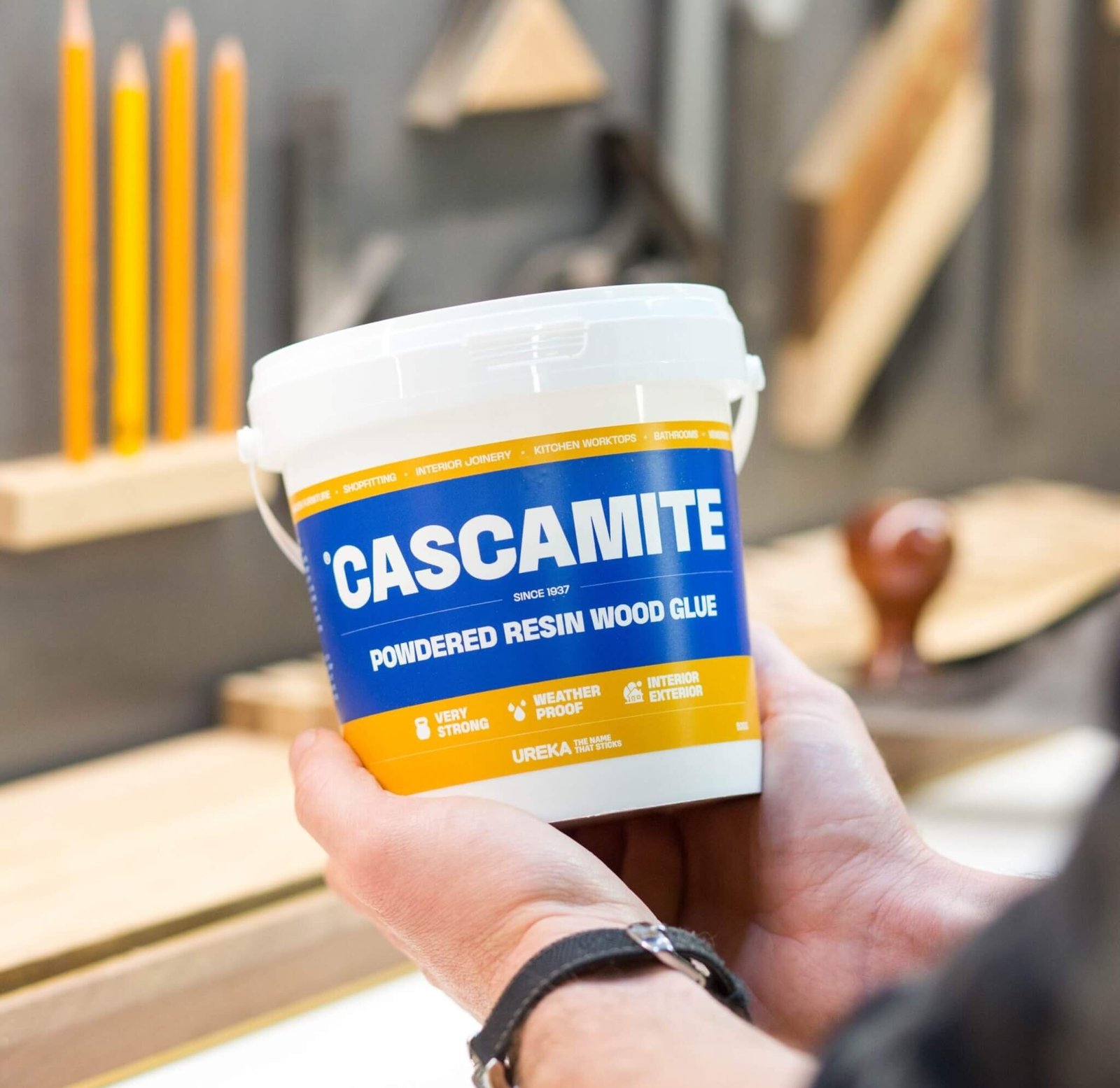


Woodworking is a craft that demands precision, patience, and the right materials. Whether you are creating furniture, repairing wooden items, or working on DIY projects, selecting the best woodworking glue is just as important as choosing quality wood. A reliable adhesive creates durable joints, improves the lifespan of your project, and ensures a clean, professional finish.
In this guide, we’ll explore what makes a good wood glue, the different types available, and how to choose the perfect adhesive for your woodworking needs.
Why Choosing the Right Wood Glue Matters
Wood glue is designed to penetrate wood fibers and create a bond that can often be stronger than the wood itself. Unlike nails or screws, glue distributes stress evenly across the joint, reducing the risk of cracks or splitting.
The right adhesive offers several benefits:
- Strong and durable bonding
- Clean, seamless appearance
- Better moisture resistance
- Long-lasting performance
- Reduced need for mechanical fasteners
Whether you’re building cabinets, tables, shelves, or decorative pieces, investing in quality glue helps ensure your project stands the test of time.
What Makes the Best Woodworking Glue?
Finding the best woodworking glue depends on your specific project. However, high-quality wood adhesives generally share several important characteristics.
Strong Bond Strength
A premium woodworking adhesive creates a permanent bond that withstands daily use, weight, and environmental changes.
Easy Application
Good glue spreads smoothly without excessive dripping. It should provide enough open working time to position parts accurately before setting.
Sandability
After drying, quality glue should sand evenly with the surrounding wood without leaving noticeable glue lines.
Paint and Stain Compatibility
Excess glue should be easy to remove, while cured adhesive should not interfere with painting or staining the finished piece.
Moisture Resistance
For furniture exposed to humidity or outdoor conditions, water-resistant or waterproof glue provides better protection against joint failure.
Types of Wood Glue
Different woodworking projects require different adhesive formulas. Understanding the available options helps you select the most suitable product.
PVA Wood Glue
Polyvinyl acetate (PVA) glue is the most common woodworking adhesive. It is ideal for indoor furniture, cabinets, and general woodworking projects.
Advantages include:
- Easy cleanup with water
- Strong bond
- Affordable
- Non-toxic
- Fast drying
Polyurethane Glue
Polyurethane glue expands while curing, making it suitable for filling small gaps. It also performs well in outdoor environments due to its excellent water resistance.
Ideal for:
- Outdoor furniture
- Garden structures
- Hardwood bonding
- Mixed material applications
Epoxy Adhesive
Epoxy provides exceptional strength and fills larger gaps effectively. It is often used for structural repairs and specialty woodworking.
Best suited for:
- Antique restoration
- Boat repairs
- Thick wooden components
- Heavy-duty construction
Hide Glue
Traditional hide glue remains popular among furniture restorers because it can be reversed with heat and moisture.
Common applications include:
- Musical instruments
- Antique furniture
- Historical restorations
Characteristics of a Good Wood Glue
A good wood glue should perform consistently across various woodworking situations. Here are the qualities professionals often look for.
Quick Clamp Time
Faster clamp times allow projects to move through production more efficiently while maintaining excellent bond strength.
Long Shelf Life
Quality adhesives remain usable for extended periods when stored correctly.
Minimal Shrinkage
Glue that shrinks very little after curing helps maintain tight joints and professional-looking results.
Clear Drying
Many woodworkers prefer glue that dries transparent to minimize visible glue lines.
Excellent Heat Resistance
Wooden furniture may be exposed to changing temperatures. Heat-resistant glue helps prevent joints from weakening over time.
Matching Glue to Your Project
Every woodworking task has different requirements.
Indoor Furniture
Dining tables, bookshelves, cabinets, and chairs generally perform well with standard PVA wood glue.
Outdoor Projects
Garden benches, fences, planters, and patio furniture require waterproof polyurethane or exterior-grade adhesives.
Decorative Crafts
Small decorative items often benefit from fast-setting wood glue that dries clear and allows precise application.
Heavy Structural Work
Large beams, staircases, and load-bearing components may require industrial-strength epoxy systems.
Selecting glue according to the project’s environment greatly improves durability.
Tips for Stronger Glue Joints
Even the highest-quality adhesive performs best when applied correctly.
Prepare Clean Surfaces
Dust, grease, oil, and old finishes reduce adhesion. Always sand and clean wood before applying glue.
Apply Even Coverage
Spread glue evenly across the entire joint. Too little weakens the bond, while too much creates unnecessary squeeze-out.
Clamp Properly
Consistent pressure ensures maximum contact between mating surfaces during curing.
Follow Recommended Drying Times
Avoid removing clamps too early. Full curing may take several hours or even a full day depending on the adhesive.
Store Glue Correctly
Keep glue tightly sealed in a cool, dry location. Proper storage extends shelf life and maintains bonding performance.
Common Wood Gluing Mistakes
Many woodworking failures occur because of simple application errors.
Avoid these common mistakes:
- Using expired glue
- Applying glue to dirty surfaces
- Skipping clamps
- Rushing drying time
- Choosing indoor glue for outdoor use
- Applying excessive glue
Learning proper glue techniques significantly improves project quality.
How Professionals Choose Wood Glue
Experienced woodworkers rarely buy glue based solely on price. Instead, they consider several important factors:
- Type of wood
- Indoor or outdoor use
- Required strength
- Drying speed
- Ease of cleanup
- Finish compatibility
- Gap-filling capability
Balancing these factors helps achieve consistent, high-quality results.
Final Thoughts
Choosing the best woodworking glue is one of the smartest decisions you can make for any woodworking project. A premium adhesive strengthens joints, improves durability, and contributes to a polished final product. At the same time, selecting a good wood glue that matches your project’s environment and materials ensures dependable performance for years to come.
Whether you’re a beginner building your first shelf or an experienced craftsman creating custom furniture, using the right adhesive alongside proper preparation and application techniques will help every project achieve professional-quality results. Investing in quality wood glue is a small step that delivers long-lasting strength, cleaner finishes, and greater confidence in every woodworking creation.

