




Modern construction, landscaping, and outdoor design projects require materials that are not only visually appealing but also durable and reliable. Adhesives play an important role in achieving strong, long-lasting results. Whether you are installing synthetic turf or securing decorative wall panels, choosing the right adhesive can make a significant difference. Two commonly used solutions are artificial grass adhesive glue and cladding adhesive, each designed for specific applications and performance requirements.
What Is Artificial Grass Adhesive Glue?
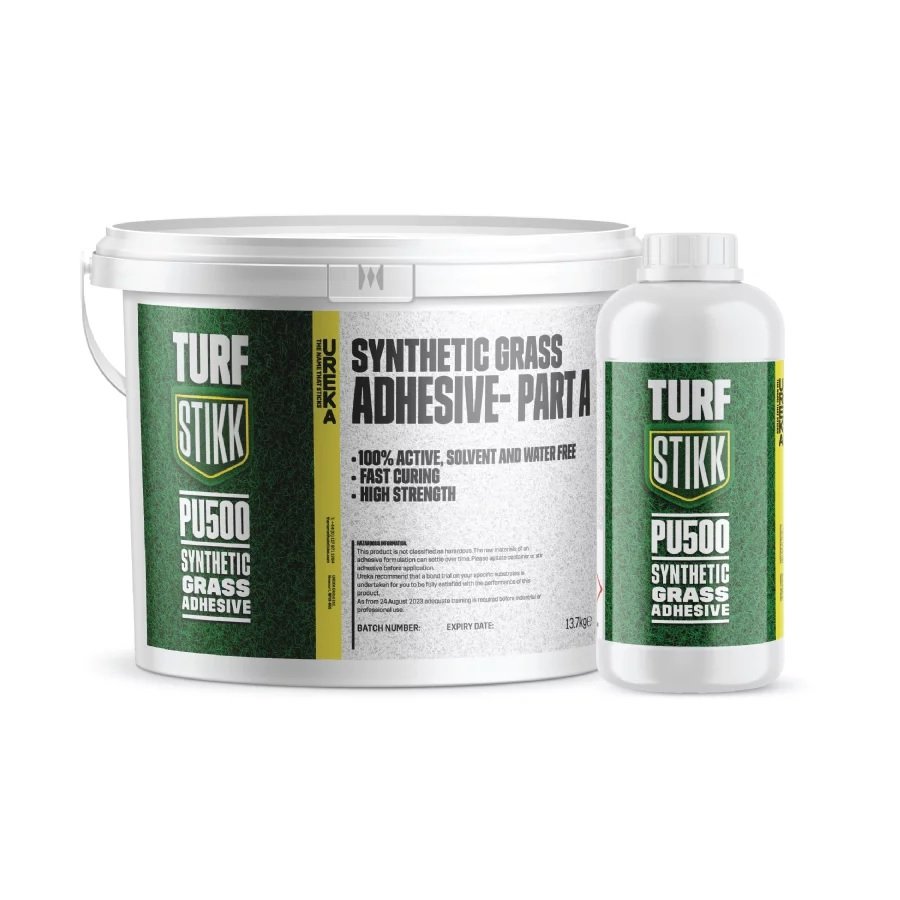
Artificial grass has become a popular alternative to natural turf because it requires less maintenance, stays green throughout the year, and can be installed in a variety of environments. However, proper installation is essential to ensure the grass remains firmly in place. This is where artificial grass adhesive glue comes into use.
Artificial grass adhesive is specially formulated to bond synthetic turf to surfaces such as concrete, paving, timber, rubber, and other suitable substrates. It can be used for joining artificial grass seams, securing perimeter edges, and fixing turf in areas where mechanical fastening may not be practical.
A high-quality adhesive helps prevent the turf from shifting, lifting, or developing visible gaps over time. It also provides a neat finish, making it particularly useful for gardens, balconies, terraces, playgrounds, sports areas, commercial landscapes, and rooftop spaces.
Benefits of Using Artificial Grass Adhesive Glue
One of the major benefits of using a dedicated adhesive is its strong bonding performance. Outdoor installations are exposed to sunlight, rain, temperature fluctuations, and regular foot traffic, so the adhesive needs to maintain its strength under changing conditions.
A reliable artificial grass adhesive glue can offer:
- Strong and durable bonding
- Resistance to outdoor environmental conditions
- Good flexibility to accommodate minor movement
- Clean and professional-looking seams
- Easy application with the appropriate tools
- Long-lasting performance with proper surface preparation
Before applying adhesive, the surface should generally be clean, dry, and free from dust, grease, and loose particles. Following the manufacturer’s instructions regarding application, curing time, and environmental conditions is also important.
Understanding Cladding Adhesive
Cladding is widely used in residential, commercial, and industrial buildings to improve appearance, provide additional protection, or create specific architectural effects. Depending on the material, cladding may be installed on interior walls, exterior façades, ceilings, and other surfaces.
Cladding adhesive is designed to create a secure bond between cladding panels and their supporting surfaces. Depending on the application, suitable adhesives may be used with materials such as PVC, wood-based panels, composites, insulation boards, stone, metal, and other construction products.
Unlike general-purpose glue, a professional cladding adhesive is selected according to factors such as panel weight, substrate type, environmental exposure, movement, and required bond strength.
Why Choosing the Right Cladding Adhesive Matters
A cladding system needs to remain stable for years while dealing with factors such as vibration, moisture, temperature changes, and building movement. Selecting an adhesive that is compatible with both the cladding material and substrate is therefore essential.
The right cladding adhesive can help provide a secure installation while reducing the need for excessive mechanical fixings in suitable applications. It can also contribute to a cleaner appearance by minimizing visible fasteners.
For exterior projects, it is particularly important to consider whether the adhesive is suitable for outdoor exposure. For interior applications, factors such as flexibility, curing time, odor, and compatibility with the surrounding materials may be more important.
Tips for Successful Adhesive Application
Regardless of whether you are installing artificial grass or cladding, preparation is one of the most important parts of the process. Start by checking that the adhesive is suitable for the specific materials and application.
Clean the surfaces thoroughly and allow them to dry before application. Apply the recommended amount of adhesive evenly, avoiding excessive or insufficient coverage. Position the material carefully and apply appropriate pressure where required.
Always follow the manufacturer’s technical data sheet for recommended application temperatures, curing periods, coverage rates, and safety precautions.
Conclusion
The right adhesive can significantly improve the quality, appearance, and durability of an installation. Artificial grass adhesive glue provides a dependable solution for securing synthetic turf and creating strong, discreet seams, while cladding adhesive is formulated to help secure cladding panels to suitable substrates.
By considering the materials involved, environmental conditions, surface characteristics, and project requirements, you can select an adhesive that delivers reliable performance. Whether your project involves transforming an outdoor landscape with artificial turf or creating a modern architectural finish with cladding, using the appropriate adhesive is an important step toward achieving professional and long-lasting results.