

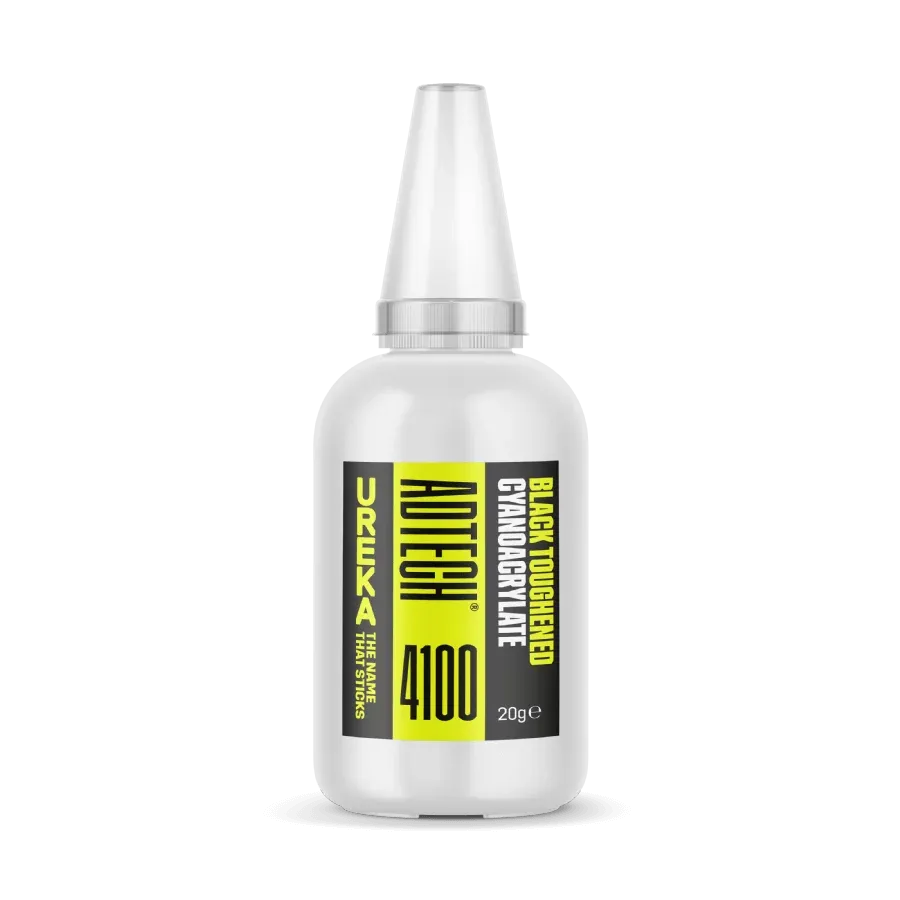



Aluminium is one of the most widely used metals across industries because it is lightweight, durable, corrosion-resistant, and easy to work with. From automotive components and construction materials to electronics, appliances, and furniture, aluminium plays an important role in modern manufacturing. However, joining aluminium securely can sometimes be challenging, especially when traditional fastening or welding methods are not practical. This is where aluminum adhesive provides an effective and versatile bonding solution.
What Is Aluminum Adhesive?
Aluminum adhesive is a specially formulated bonding material designed to create a strong connection between aluminium surfaces. Depending on the application, different types of adhesives can be used, including epoxy adhesives, structural acrylic adhesives, polyurethane adhesives, and specialized metal-bonding formulations.
Unlike mechanical fasteners, adhesives distribute stress across a larger bonding area. This can help create a clean and uniform finish while reducing the need for drilling holes, screws, or other hardware. A suitable adhesive can also bond aluminium to other materials such as steel, plastics, glass, wood, and composite materials.
Why Use Aluminium Glue Adhesive?
An aluminium glue adhesive is particularly useful when manufacturers or DIY users need a reliable alternative to welding, riveting, or mechanical fastening. One of its major advantages is versatility. It can be used for both small repairs and demanding industrial applications, depending on the adhesive formulation selected.
Here are some key benefits:
1. Strong and Durable Bond
High-quality aluminium adhesives can provide excellent bonding strength when the surfaces are correctly prepared. Once cured, the adhesive can withstand everyday mechanical stresses and help maintain a secure connection.
2. Lightweight Bonding
Mechanical fasteners can add weight to an assembly. Using an aluminium glue adhesive eliminates or reduces the need for additional hardware, making it particularly beneficial in industries where weight reduction is important, such as automotive and aerospace manufacturing.
3. Clean Appearance
Adhesive bonding creates a smooth and clean appearance without visible screws, bolts, or rivets. This makes it suitable for applications where aesthetics are important, including aluminium furniture, signage, interiors, and decorative products.
4. Bonds Different Materials
A versatile aluminum adhesive can be used to join aluminium with a variety of substrates. This makes adhesive bonding useful for assembling products that combine metal, plastic, rubber, glass, and composite components.
5. Protection Against Stress Concentration
Mechanical fasteners can create concentrated points of stress around drilled holes. Adhesive bonding distributes the load across the bonded surface, potentially reducing localized stress and helping improve the overall integrity of an assembly.
Where Is Aluminum Adhesive Used?
The applications of aluminium bonding are extensive. In the automotive sector, adhesives can be used for interior components, trim, panels, brackets, and lightweight assemblies. In construction, aluminium adhesives can help join frames, panels, profiles, and architectural components.
Manufacturers of electronics and appliances may also use aluminum adhesive for assembling housings, components, and heat-management parts. In furniture manufacturing, aluminium glue adhesive can provide strong and discreet joints while maintaining a modern appearance.
For household repairs, specialized aluminium adhesives can also be useful for repairing aluminium objects, provided the product is suitable for the intended application and environmental conditions.
How to Get the Best Results With Aluminium Adhesive
Proper surface preparation is essential for achieving a strong bond. Aluminium surfaces should generally be clean, dry, and free from oil, grease, dust, oxidation, and other contaminants. Depending on the adhesive and application, lightly abrading the surface may improve adhesion.
The adhesive should then be applied according to the manufacturer’s instructions. Maintaining the recommended bond-line thickness and applying suitable pressure during curing can help produce a consistent result.
Temperature, humidity, chemical exposure, vibration, and load requirements should also be considered when selecting an aluminium glue adhesive. Not every adhesive is suitable for every environment, so choosing a formulation designed for the specific application is important.
Choosing the Right Aluminum Adhesive
Selecting the right aluminum adhesive depends on several factors. Consider the materials being joined, required bonding strength, curing time, operating temperature, flexibility, exposure to moisture or chemicals, and expected mechanical loads.
For demanding industrial applications, a structural adhesive may be appropriate. For smaller repairs, a fast-setting metal adhesive could be more convenient. Always review the technical specifications and application recommendations before selecting a product.
Conclusion
Whether you are working on an industrial assembly, construction project, automotive component, or household repair, the right aluminium glue adhesive can provide a practical and efficient way to join aluminium. Its combination of strength, lightweight construction, clean appearance, and versatility makes adhesive bonding an increasingly popular alternative to traditional fastening methods.
By choosing a suitable aluminum adhesive and following proper surface preparation and curing procedures, users can achieve dependable and long-lasting aluminium bonds. As industries continue to focus on lightweight materials, efficient manufacturing, and modern assembly techniques, aluminium adhesive technology is likely to remain an important part of the bonding industry.

